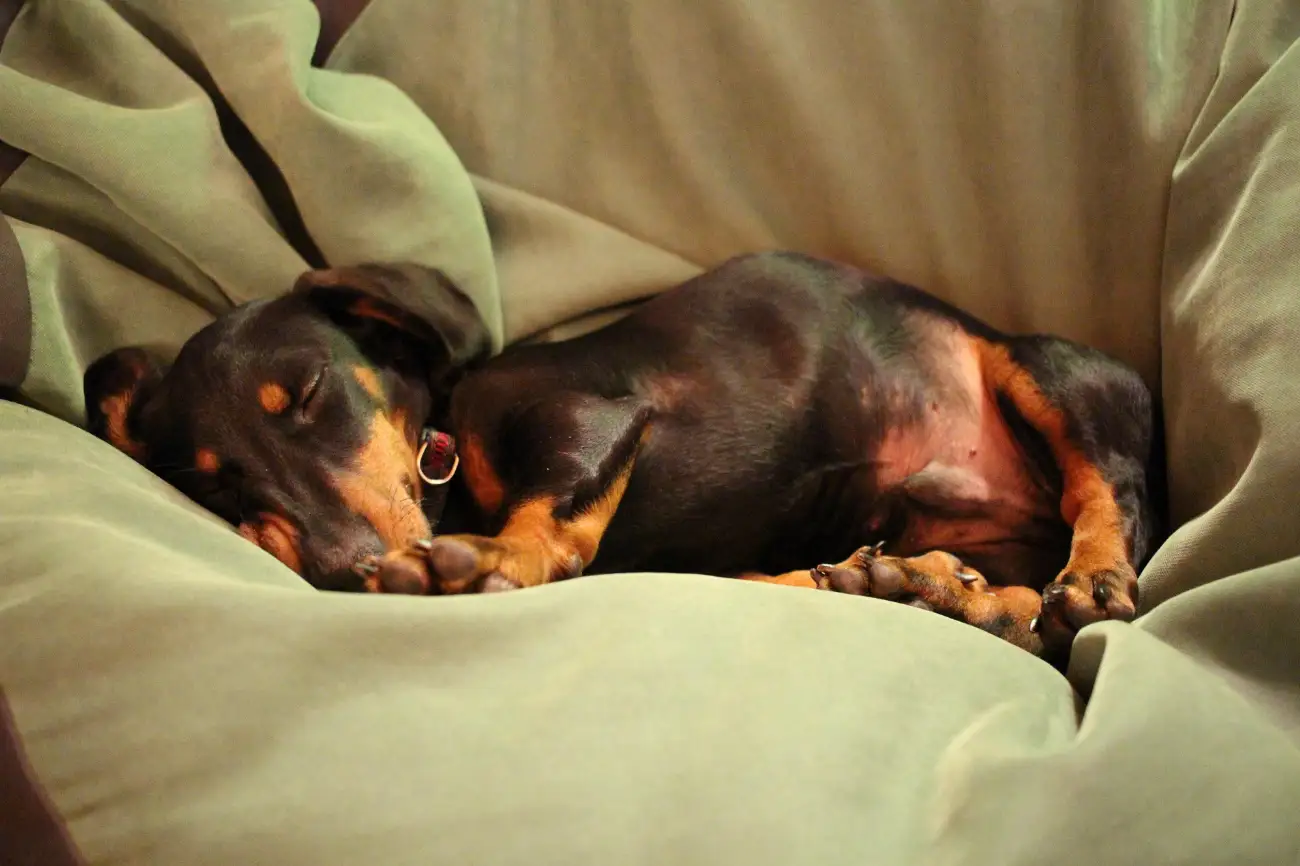
Bring Familiar Items from Home
A holiday cottage might be charming, but it's still unfamiliar territory for your dog. Dogs rely heavily on scent and familiar objects to feel safe, so bringing items from home can make a huge difference. Items that carry familiar smells instantly reassure your dog and reduce stress.
What to pack:
- Bed or blanket: A piece of home can create a safe and cozy 'den'.
- Toys and chews: These not only entertain but also provide comfort and familiarity.
- Food and water bowls: Using familiar bowls encourages normal eating habits.
- Treats and favorite foods: A small taste of home food can calm a nervous dog.
- Your clothing: A t-shirt or hoodie with your scent can be surprisingly comforting.
Pro tip: Pack everything in a 'dog travel kit', including leash, poop bags, grooming supplies, and first aid essentials. This keeps everything organized and stress-free when you arrive.
Keep Their Routine Consistent
Dogs thrive on routine. A predictable schedule helps them feel safe, which is why maintaining their normal habits on holiday is so important. Sudden changes in feeding times, walks, or bedtime can leave your dog anxious, but keeping routines familiar will help them adjust faster.
How to maintain routines:
- Stick to usual meal times and portion sizes.
- Schedule walks at the same time each day if possible.
- Maintain familiar playtime and training sessions.
- Encourage normal sleep patterns with bedtime rituals or cues.
Pro tip: Explore the area around your cottage in advance so you can plan regular walks, nearby green spaces, and dog-friendly trails, giving them a routine with a touch of adventure.
Create a Safe Space
New environments can be overwhelming, so giving your dog a 'safe zone' in the cottage is crucial. This is a spot where they can retreat if they feel stressed or simply want to rest without disturbances.
How to set up a safe space:
- Choose a quiet corner away from main activity.
- Add their bed, blanket, toys, and maybe an item of your clothing.
- Use a crate if your dog is comfortable in one - it provides a den-like refuge.
- Block off areas with baby gates if needed to limit access.
Why it helps: A safe space gives your dog a sense of control and comfort in a new environment, helping them settle faster and feel secure during your stay.
Explore the Cottage Gradually
A holiday cottage is full of new smells, sounds, and spaces - and that can be overwhelming if your dog is allowed to roam freely straight away. Gradual exploration helps your dog build confidence and reduces anxiety.
How to explore safely:
- Walk your dog through each room slowly, letting them sniff and inspect.
- Reward calm exploration with treats or praise.
- Supervise their early adventures to prevent accidents or damage.
- Introduce outdoor spaces like gardens or patios carefully, checking for hazards first.
Pro tip: Positive reinforcement during this phase is key. Every sniff or step into a new room should be associated with treats or verbal praise, so your dog learns that exploration is a positive experience.
Check the Surroundings for Safety
Even if the cottage feels secure, the surrounding area may have hidden hazards. Ensuring your dog's safety both inside and outside the cottage reduces stress and keeps your holiday worry-free.
Safety checklist:
- Inspect fences, gates, and locks for potential escape routes.
- Remove or secure chemicals, fragile items, and sharp objects.
- Be aware of wildlife, local animals, or hazards that could scare or excite your dog.
- Review local rules for leashes, off-leash areas, and dog-friendly paths.
Why it matters: Knowing your dog is safe allows them to relax and enjoy their surroundings, giving you peace of mind.
Exercise and Play
Exercise is not just about keeping your dog physically fit - it's also a powerful stress reliever. A well-exercised dog is more relaxed, happier, and better able to adapt to new environments.
Tips for staying active:
- Take long walks in scenic areas near your cottage.
- Use dog-friendly parks or beaches for off-leash fun if allowed.
- Play fetch or tug indoors if the weather is bad.
- Include mental stimulation like puzzle toys or scent games.
Pro tip: Adjust exercise to your location - long beach runs in summer, shorter walks in hot weather, and additional mental stimulation in rainy conditions.
Introduce New People, Pets, and Surroundings Slowly
Holidays often mean new faces, sounds, and smells, which can be exciting but also overwhelming. Slow introductions help your dog stay calm and build positive associations with new experiences.
How to introduce safely:
- Introduce new dogs or children on neutral ground if possible.
- Keep initial encounters brief and positive.
- Reward calm behavior with treats or praise.
- Avoid forcing interactions; let your dog approach at their own pace.
Pro tip: Carry your dog's favorite toy or treat to reinforce positive experiences during introductions.
Keep Calm Yourself
Dogs are highly perceptive to human emotions. If you're anxious, stressed, or rushed, your dog will sense it and become unsettled. Staying calm and confident has a huge impact on how your dog reacts to a new environment.
Tips to stay relaxed:
- Speak in a calm, soothing voice.
- Move slowly and confidently when walking or exploring.
- Practice patience, especially during first interactions with new spaces, people, or pets.
Why it works: Your calm energy signals to your dog that there's nothing to worry about, helping them adapt more quickly.
Travel Comfort Tips
Getting to the cottage can be just as stressful as staying there, especially for dogs that aren't used to travel. A little preparation ensures the journey is comfortable for everyone.
Travel tips:
- Take regular breaks for walks and water if driving.
- Use a travel crate or dog seatbelt for safety.
- Bring familiar items (blanket, toy) to reduce anxiety.
- Offer small treats for calm behavior.
- Avoid feeding immediately before travel to prevent upset stomachs.
Pro tip: Practice short trips before your holiday to help nervous dogs get used to travel conditions.
Extra Tips for a Perfect Holiday Cottage Stay
Once you've settled your dog in, there are additional ways to make the stay even better:
- Check for dog-friendly facilities in or around the cottage, such as gates, enclosed gardens, or nearby trails.
- Bring grooming supplies for muddy paws or wet coats.
- Note the location of nearby vets, pet shops, and emergency services.
- Respect the cottage rules regarding furniture, noise, or access.
- Leave a familiar scent behind by lightly spraying bedding or blankets.
These extra steps ensure both you and your dog have a smooth, enjoyable, and worry-free holiday.
Conclusion
With thoughtful planning, your dog can enjoy your holiday just as much as you do. Familiar items, routine, exercise, and patience all help your pup feel safe and happy in a new environment.
Whether it's morning walks on the beach, cozy evenings by the fire, or exploring the countryside, your dog-friendly holiday cottage can truly become a home away from home - for both of you.
Looking for the perfect dog-friendly holiday cottage? Browse our dog-friendly accommodation listings and start planning your next getaway today!