
Make Sure Fresh Water Is Always Available
Hydration is essential during warm weather.
Dogs can lose significant amounts of water through panting, especially when temperatures soar. Ensuring constant access to fresh drinking water can help prevent dehydration and overheating.
Helpful hydration tips include:
- Place multiple water bowls around your home and garden.
- Refill bowls regularly with cool, clean water.
- Bring water with you whenever you leave home.
- Add ice cubes to water bowls if your dog enjoys them.
- Offer dog-safe frozen treats as a cooling snack.
Never assume your dog will naturally drink enough water during a heatwave. Encourage regular drinking throughout the day.
Keep Your Dog Cool Indoors
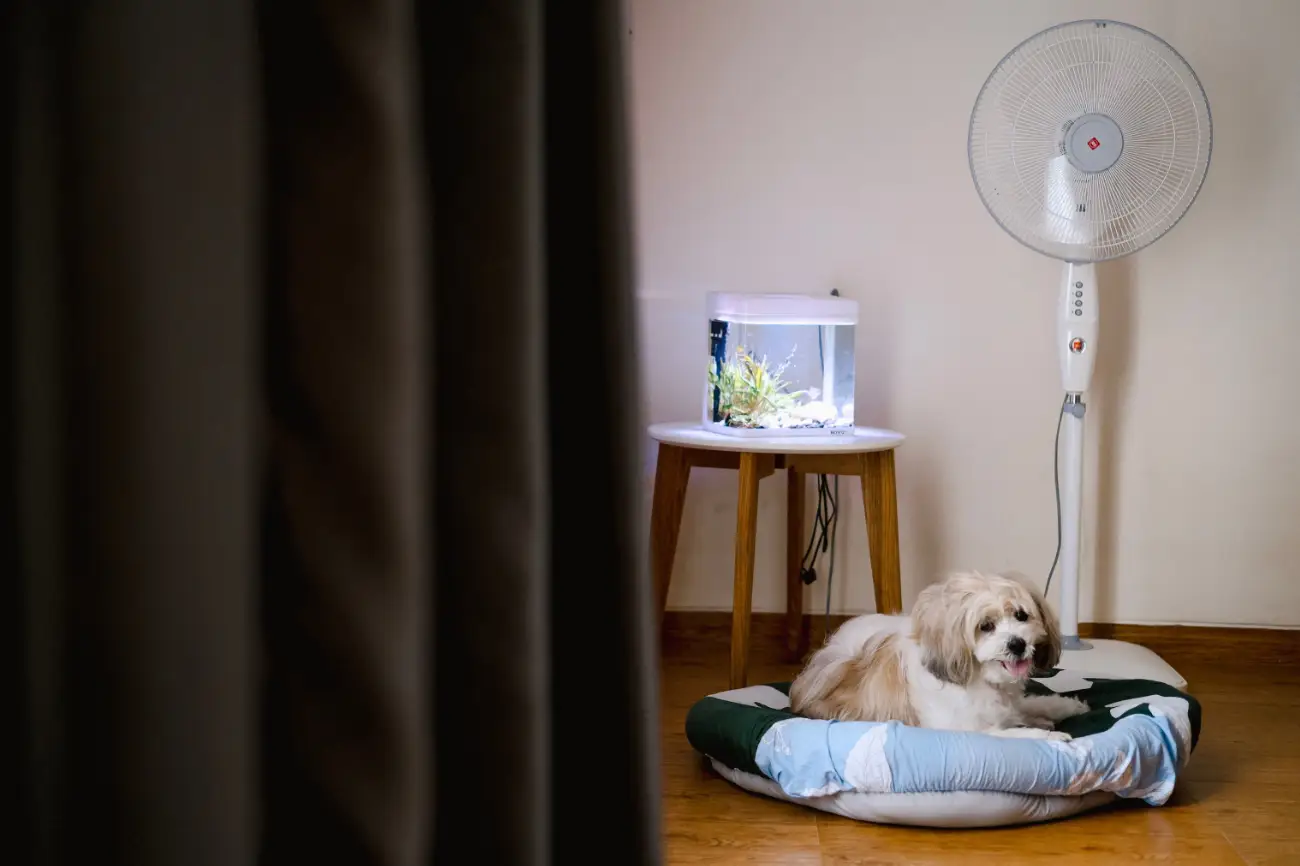
When temperatures rise, your home should become a cool and comfortable refuge for your dog.
There are several simple ways to help keep indoor temperatures manageable:
- Close curtains or blinds during the hottest parts of the day.
- Open windows when it is safe to do so and temperatures are lower.
- Use fans to improve air circulation.
- Allow access to cooler areas of the house, such as tiled kitchens or bathrooms.
- Provide cooling mats or damp towels for your dog to lie on.
- Avoid excessive indoor play that could raise your dog's body temperature.
Some dogs, particularly older dogs, puppies and breeds with thick coats, may need additional support to stay comfortable during heatwaves.
Walking Your Dog in Hot Weather
One of the biggest mistakes dog owners make during hot weather is walking their dog during the hottest parts of the day.
Hot pavements, tarmac and artificial grass can become dangerously hot and may burn a dog's paws. In addition, strenuous exercise can quickly lead to overheating.
Instead:
- Walk your dog early in the morning or later in the evening when temperatures are lower.
- Choose shaded routes wherever possible.
- Stick to shorter walks if temperatures remain high.
- Carry fresh water and a portable bowl.
- Avoid running, cycling or other strenuous activities with your dog.
A useful test is to place the back of your hand on the pavement for five seconds. If it's too hot for your hand, it's too hot for your dog's paws.
On particularly hot days, it may be safer to skip walks altogether and focus on indoor enrichment activities instead.
Recognise the Signs Your Dog Is Too Hot
Knowing how to spot the signs of overheating could save your dog's life.
Early symptoms may include:
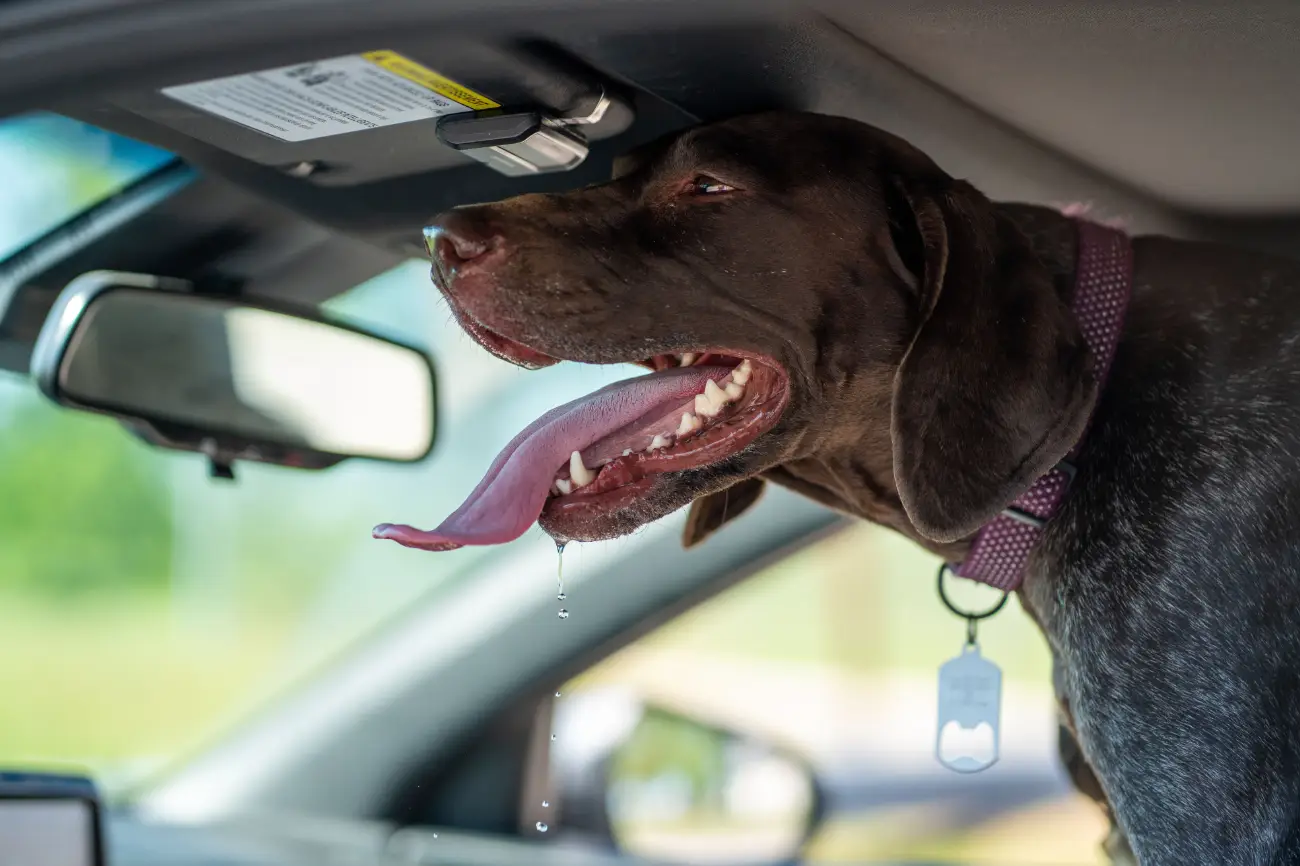
- Excessive panting
- Heavy drooling
- Restlessness
- Increased heart rate
- Bright red gums
More serious signs of heatstroke include:
- Weakness or collapse
- Vomiting or diarrhoea
- Confusion or disorientation
- Difficulty breathing
- Seizures
- Loss of consciousness
If you suspect your dog is suffering from heatstroke:
- Move them immediately to a cool, shaded area.
- Offer small amounts of cool water.
- Use cool (not ice-cold) water on their body, particularly around the paws, belly and neck.
- Contact a veterinarian as soon as possible.
Heatstroke is a medical emergency and should never be ignored.
Dog-Friendly Travel Tips During Hot Weather
Travelling with your dog requires extra planning during warm weather, especially on long journeys.
The most important rule is simple: never leave a dog alone in a parked vehicle.
Even with windows open, temperatures inside a car can rise rapidly and become fatal within minutes.
Before travelling:
- Ensure your vehicle is well ventilated or air-conditioned.
- Bring plenty of water.
- Schedule regular comfort breaks.
- Travel during cooler parts of the day if possible.
- Pack a cooling mat or damp towel.
- Monitor your dog's behaviour throughout the journey.
If you're visiting attractions, always check in advance that dogs are welcome and that shaded areas and water facilities are available.
Outdoor Safety and Summer Enrichment
Many dogs still enjoy spending time outdoors during warm weather, but their environment may need some adjustments.
To make your garden more dog-friendly:
- Create shaded areas using trees, parasols or gazebos.
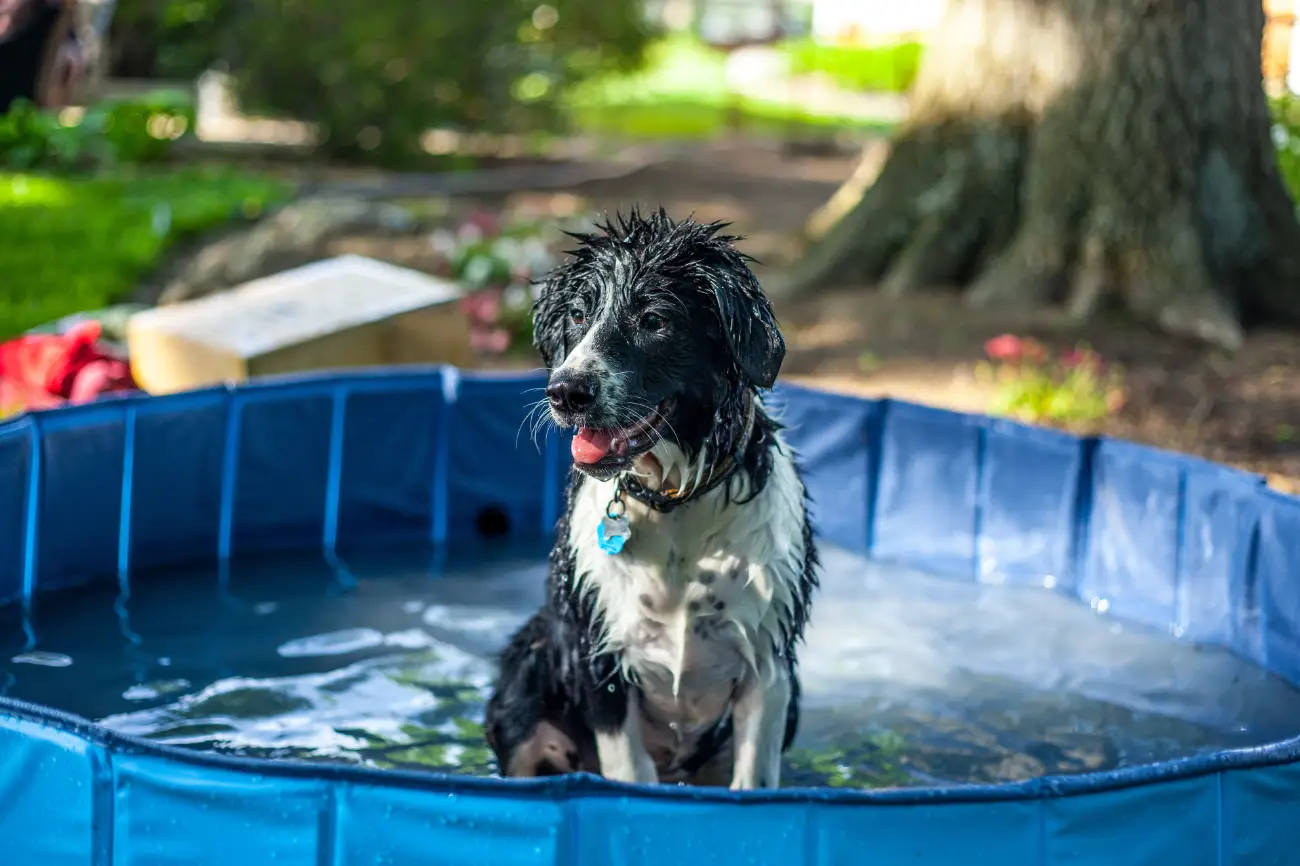
- Set up paddling pools for supervised play.
- Keep grass well maintained to provide cooler resting spots.
- Avoid outdoor activities during peak afternoon heat.
- Check artificial turf temperatures before allowing access.
You can also keep your dog entertained without exposing them to excessive heat through:
- Puzzle feeders
- Snuffle mats
- Frozen food enrichment toys
- Basic training sessions indoors
- Hide-and-seek games around the house
Mental stimulation can be just as beneficial as physical exercise on extremely hot days.
Conclusion
Hot weather can be enjoyable for both dogs and their owners, but it requires careful management to keep pets safe. By providing plenty of fresh water, keeping your dog cool indoors, avoiding walks during the hottest parts of the day and recognising the warning signs of overheating, you can significantly reduce the risk of heat-related illness.
Remember that every dog is different. Puppies, senior dogs, overweight dogs and flat-faced breeds may be particularly vulnerable to heat. By staying vigilant and making a few simple adjustments to your routine, you can help your dog stay healthy, comfortable and happy throughout the summer months.